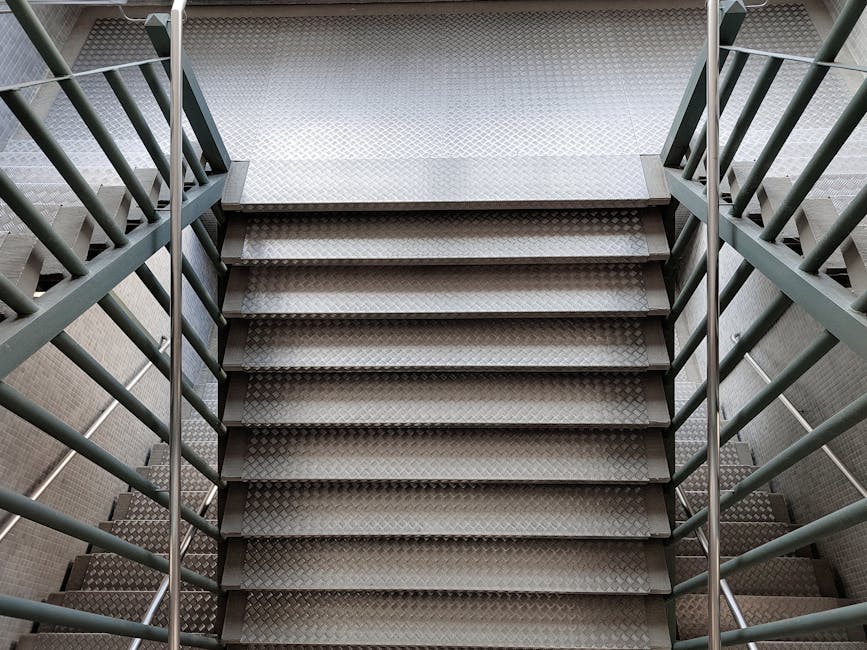
Avoiding Damage on Narrow High Road Stairs in Finchley
Narrow staircases on Finchley's high road properties can be awkward at the best of times. Add heavy foot traffic, tight turns, older finishes, and the odd rainy-day mud trail, and you suddenly have a recipe for scuffed treads, chipped paint, damaged plaster, and stressed-out homeowners. If you are looking into Avoiding Damage on Narrow High Road Stairs in Finchley, you are probably trying to solve a very real problem: how to move people, furniture, tools, or materials through a tight space without leaving a mess behind.
That sounds simple. In practice, it is rarely simple at all. A staircase that looks "just about wide enough" can become risky the moment a sofa arrives, a handrail gets scraped, or someone tries to rush the job because it is nearly dark and everyone wants to get home. Truth be told, that is where most damage happens - not in dramatic accidents, but in small, avoidable moments.
This guide breaks down how to protect narrow stairs properly, what tends to go wrong, and which habits make the biggest difference. You will also find a checklist, a comparison table, and a practical example so you can judge what is sensible for your own property. If you are planning wider work, related moving or access tasks, it may also help to look at removals services, furniture assembly support, and packing help for fragile items as part of the same overall plan.
Table of Contents
- Why Avoiding Damage on Narrow High Road Stairs in Finchley Matters
- How Avoiding Damage on Narrow High Road Stairs in Finchley Works
- Key Benefits and Practical Advantages
- Who This Is For and When It Makes Sense
- Step-by-Step Guidance
- Expert Tips for Better Results
- Common Mistakes to Avoid
- Tools, Resources and Recommendations
- Law, Compliance, Standards, or Best Practice
- Options, Methods, or Comparison Table
- Case Study or Real-World Example
- Practical Checklist
- Conclusion
- Frequently Asked Questions
Why Avoiding Damage on Narrow High Road Stairs in Finchley Matters
On a narrow staircase, every move matters. There is less room to angle bulky items, less margin for error, and usually less patience all round. Finchley's high road homes and flats often include compact entrances, older stair layouts, or awkward landings, which means a standard "carry it upstairs" approach can go wrong very quickly.
Damage on stairs is not just cosmetic. Scraped walls, dented risers, cracked nosings, chipped bannisters, and scuffed carpet can turn into repair jobs that cost time and money. In some cases, the bigger issue is safety: an item can slip, a mover can twist badly, or visibility can be poor in a tight hallway. And let's face it, nobody enjoys trying to explain fresh gouges on a painted stair wall after the fact.
There is also a local property angle. Many Finchley buildings have been adapted over time rather than purpose-built for easy access. That means tight corners, old woodwork, narrow treads, and finishes that are beautiful but unforgiving. A careful protection plan is not overkill; it is common sense.
If you are dealing with repeated access needs, a practical support service can save a lot of wear and tear. Some households bring in help for awkward item moves only, while others plan the whole job around protection from the outset. If that sounds familiar, explore house move support or same day delivery for urgent items as useful related options.
Expert summary: On narrow Finchley staircases, most damage comes from poor planning rather than brute force. Measure first, protect high-contact points, move slowly, and treat corners as the real risk zone.
How Avoiding Damage on Narrow High Road Stairs in Finchley Works
At its core, avoiding damage is about controlling three things: space, movement, and contact points. If you can reduce unnecessary contact, guide the load safely, and keep the stair route clear, you cut the risk dramatically.
The process usually starts with a quick assessment. Measure the narrowest point, check the turn radius, and note anything that sticks out - light switches, handrails, radiator pipes, dado rails, or badly placed hooks. Then decide what needs protection. On many stairs, the most vulnerable areas are the outer edges of treads, the walls at shoulder height, and the rail itself.
Protection can be temporary or more structured. Temporary methods might include felt pads, corrugated board, removable floor protection, moving blankets, and corner guards. More involved jobs may use taped coverings, stair runners, or a planned dismantle-and-reassemble approach for bulky furniture. The right option depends on the item, the surface finish, and how many trips are involved.
To be fair, the best protection is often a mix of small steps rather than one dramatic fix. A blanket alone will not save a painted wall if a wardrobe is being pivoted at the landing. Equally, wrap-heavy protection without route planning can make items bulkier and harder to manoeuvre. The aim is balance.
For more context on the moving side of things, you may want to see man and van assistance, disassembly and reassembly support, and office removals planning if the stairs are being used for business equipment rather than household items.
Key Benefits and Practical Advantages
Good stair protection does more than keep surfaces neat. It reduces stress, speeds up the job, and helps everyone move with more confidence. That matters whether you are dealing with a single heavy item or a full property move.
- Lower risk of visible damage: Paint, plaster, timber, carpet, and bannisters stay in better condition.
- Safer movement: Clear, protected stairs reduce slips, snags, and overreaching.
- Less disruption: A planned route means fewer pauses and fewer "let's try again" moments.
- Better finish for older homes: Older staircases can be delicate, especially on corners and edges.
- More professional result: Whether you are moving house or fitting furniture, it simply looks and feels more controlled.
There is also a small but real psychological benefit. When the stair route looks protected and organised, people stop rushing. And once people stop rushing, mistakes drop. It sounds obvious, but you would be amazed how often that one change makes the difference.
If the move also involves protected access to doorways or tight hall space, combining stair protection with careful packing methods and short-term storage solutions can make the entire process smoother.
Who This Is For and When It Makes Sense
This is relevant to far more people than you might think. Narrow stairs are not only a concern for removal teams. They matter to tenants, landlords, homeowners, landlords' agents, office managers, tradespeople, delivery crews, and anyone moving awkward items through a shared building.
You will especially want a protection plan if you are:
- moving furniture into a flat with a tight staircase
- carrying appliances, desks, beds, wardrobes, or large mirrors
- protecting a freshly decorated hallway or landing
- working in a period property with fragile finishes
- using narrow stairs more than once in the same day
- trying to minimise disruption in a shared building
It makes sense even for smaller jobs. A single heavy bookcase can do surprising damage if it catches a wall edge on the way up. Same with a washing machine that has not been fully drained, or a headboard that is wider than expected once you get to the turn. There is often a moment halfway up the stairs where everyone goes quiet. That is the point where planning pays off.
If you are not sure whether the job is manageable, compare the route with the item dimensions first. And if the route feels too tight, get help before the lift starts. That is the honest answer.
Step-by-Step Guidance
The safest way to protect narrow stairs is to plan the route before the item is moved. Here is a sensible process that works well in real homes and small commercial settings.
- Measure the stair route. Check width, landing space, ceiling height, and any awkward corners. Measure the item too, including handles and packaging.
- Identify contact points. Look for wall edges, banisters, skirting, light fittings, and the underside of turns where items are most likely to knock.
- Clear the path. Remove loose shoes, mats, photos, baskets, and anything else that can trip people or snag a corner.
- Apply protection where it matters most. Use padding on wall corners, cover handrails, and protect stair treads if the item may slide or drag.
- Assign roles. One person should lead and call the pace. Another should support the load. For larger items, a third person can spot clearance at the landing.
- Move slowly through turns. Corners are the danger zone. Pause, adjust, and communicate before committing to the pivot.
- Check surfaces afterwards. A quick inspection catches small marks before they turn into bigger complaints or repair costs.
That may sound methodical, and it is. But methodical is good when stair damage is the thing you want to avoid. You do not need a dramatic strategy. You need a repeatable one.
For more complex access jobs, you may also benefit from heavy item moving support and fragile item transport assistance.
Expert Tips for Better Results
A few small habits make a big difference on narrow staircases. These are the details people often skip when they are in a hurry.
- Protect the top and bottom corners first. Those are the places where loads swing widest.
- Use the right amount of wrapping. Over-wrapping can make items too bulky for the staircase.
- Keep hands clear of pinch points. Fingers near bannisters and door frames are an avoidable risk.
- Plan for turning, not just lifting. The turn is often harder than the straight run.
- Work in good light. A dim hallway makes people guess, and guessing is rarely helpful.
- Protect from dirt as well as impact. Rainy shoes, dirty box edges, and dusty blankets can mark white paint surprisingly fast.
One small real-world observation: people tend to focus on the item and forget the walls. Yet on narrow stairs, the wall gets hit first, especially if somebody steps sideways to make room. A simple layer of temporary protection on the most exposed edge is often worth more than a fancy wrap elsewhere.
If your staircase is especially tight or has a tricky bend, it can be worth separating the job into stages. Sometimes a dry run without the item, just to walk the route and test the angles, saves a lot of trouble later. Slightly old-fashioned maybe, but it works.
Common Mistakes to Avoid
Most damage on narrow stairs comes from a handful of repeat mistakes. Avoiding them is not complicated, but it does require a bit of discipline.
- Rushing the lift: Speed is the enemy of control on narrow stairs.
- Skipping measurements: "It looks like it should fit" is not a measurement.
- Forgetting the landing: Many items fit on the stairs but fail at the turn.
- Using too little protection: One thin cover is not always enough for painted or delicate surfaces.
- Using too much protection: Bulky wrapping can make manoeuvring harder and increase knock risk.
- Poor communication: If nobody is calling the move, people work at different speeds and that is where scrapes happen.
- Not checking the route first: Hidden snag points like hooks, radiators, and awkward handles catch people out.
There is also a softer mistake: assuming a job is "only small" and therefore cannot go wrong. Smaller items can be just as awkward if they are long, shiny, fragile, or oddly balanced. A narrow stairwell does not care how simple the item looked in the van.
When in doubt, pause. A 30-second pause can save a 30-minute repair. Probably more.
Tools, Resources and Recommendations
You do not need specialist equipment for every situation, but the right basic tools make stair protection much more reliable. The useful items are usually practical, simple, and easy to position.
| Tool or Material | Best Use | Why It Helps |
|---|---|---|
| Moving blankets | Wrap furniture, protect walls, reduce minor knocks | Softens contact and is easy to reposition |
| Corner guards | Wall corners and exposed edges | Protects the most frequently hit points |
| Temporary floor protection | Stair treads and landings | Helps with scuffs, dirt transfer, and sliding |
| Strong tape | Securing coverings | Keeps protection in place during movement |
| Furniture sliders or dollies | Where the item can be safely used on level sections | Reduces dragging and strain |
Recommendations depend on the item and staircase finish. For older painted walls, softer coverings are usually kinder. For timber stair nosings, focus on impact protection and controlled movement. For carpeted stairs, the aim is often to prevent dirt transfer and compression marks.
If you are arranging a bigger move, it can help to coordinate with secure storage options or professional packing support so the stair route is used less often and with better control.
One more thing: keep the tools close, but not in the way. The last thing you want is a roll of tape or a loose blanket becoming the hazard you were trying to prevent. It sounds obvious, then somehow it happens anyway.
Law, Compliance, Standards, or Best Practice
For most domestic stair protection tasks, this topic is governed more by best practice than by a single specific rule. That said, there are still sensible UK expectations to keep in mind, especially if the property is rented, shared, or being used for work.
In practical terms, you should aim to avoid damage to the property, keep access routes reasonably safe, and reduce the chance of slips, trips, or lifting injuries. If you are a landlord, managing agent, contractor, or employer, there may be additional duties around safety, access, and preventing avoidable damage. The exact requirements depend on the situation, so care and documentation are wise choices.
Best practice usually means:
- carrying out a quick risk check before work begins
- protecting shared or high-value surfaces
- keeping stairways clear while moving
- using enough people for the weight and size of the item
- stopping if the move feels unsafe or unstable
If you are unsure whether a job is beyond DIY-level handling, it is sensible to speak with a professional mover or property specialist. Better to ask first than deal with an awkward repair later. That part is never fun, and usually more expensive than people expect.
Options, Methods, or Comparison Table
There is no one perfect method for every staircase. The best choice depends on the item, the finish, and the amount of room you have to work with. This quick comparison should help.
| Method | Best For | Pros | Watch Outs |
|---|---|---|---|
| Basic blanket protection | Light-to-moderate moves | Quick, flexible, low cost | May not be enough for corners or sharp edges |
| Corner and rail protection | Tight routes with exposed edges | Targets the highest-risk points | Needs careful placement and fixing |
| Full route covering | Longer jobs or valuable finishes | Broad protection from scuffs and dirt | Can slow movement if overdone |
| Dismantle and reassemble | Bulky furniture on very narrow stairs | Often the safest fit for awkward items | Takes more time and requires good planning |
| Professional handling | Heavier, fragile, or high-value moves | Reduces risk and confusion | May cost more upfront |
In practice, the right answer is often a combination. A dismantled item, protected landing, and two or three careful handlers may be far safer than a single fully wrapped item pushed through in one go.
Case Study or Real-World Example
A common Finchley scenario goes like this. A family is moving a large wardrobe into a first-floor flat off the high road. The stairs are narrow, the turn at the landing is sharp, and the walls have just been repainted. Everyone thinks the wardrobe will fit because it is only slightly wider than the stair run. Only slightly, mind you, which is exactly the kind of phrase that causes trouble.
The first sensible step is to check whether the wardrobe can be dismantled. It can. Good start. Next, the route is cleared, the stair corners are covered, and the banister is padded where shoulders are likely to brush. One person leads from below, one supports from above, and a third watches the turn. The move is slow, almost comically slow for the first few steps, but that is what keeps the load controlled.
At the landing, the team pauses. They tilt, rotate, and reset rather than forcing the piece round. No wall strike, no chipped paint, no scratched rail. The whole move takes longer than the impatient version would have - maybe twenty minutes more, maybe a bit more than that - but the end result is clean and calm.
That is the real point. Avoiding damage is not about being precious. It is about knowing where the risks are and handling them before they become problems.
Practical Checklist
Use this simple checklist before moving anything up or down narrow stairs in Finchley.
- Measure the item and the stair route
- Check the landing turn and ceiling clearance
- Remove loose objects from the hallway
- Protect corners, rails, and treads where needed
- Confirm the item is properly wrapped or dismantled if required
- Assign a lead person to call each move
- Make sure everyone knows when to stop
- Wear practical footwear with good grip
- Keep the stairwell well lit
- Inspect for marks once the item is through
Quick reminder: if the route feels too tight when you are standing there with the item in front of you, it usually is too tight. Trust that instinct.
Conclusion
Avoiding damage on narrow high road stairs in Finchley comes down to planning, protection, patience, and a clear understanding of where the weak points are. The staircase itself may be small, but the consequences of rushing can be oddly big: scuffed walls, damaged railings, strained backs, and a job that takes far longer to fix than to do properly in the first place.
Whether you are moving furniture, bringing in appliances, or managing a property access issue, the same principles apply. Measure first. Protect the high-contact points. Keep the route clear. And do not be afraid to break the job into stages if that is what the staircase demands. Narrow stairs can be awkward, yes, but they are usually manageable with the right approach.
If you are planning a move or handling a tricky access job, it can be sensible to get support early rather than patch things up after a scrape. A careful, well-planned move is always easier to live with than a hurried one. Always.
Get a free quote today and see how much you can save.
Frequently Asked Questions
How do I stop walls getting marked on narrow stairs?
Protect the corners and any likely shoulder-height contact points before moving anything. Soft coverings, corner guards, and a slower pace usually make the biggest difference.
What is the safest way to move furniture up a tight staircase?
Measure everything first, remove obstacles, and use enough people to control the load. For bulky items, dismantling them before the move is often the safest option.
Do I need special protection for painted stair walls?
Yes, if the paint is fresh or the route is very tight. Painted walls show scuffs quickly, so even simple temporary protection can prevent a very visible mark.
Can I move a sofa up narrow Finchley stairs without damage?
Sometimes, but only if the sofa fits with clearance at the landing and turns. If it is a tight squeeze, professional handling or partial dismantling is usually wiser.
What are the most common things that get damaged?
Walls, banisters, stair edges, skirting boards, and carpeted treads are the usual trouble spots. Fragile furniture finishes can also be scratched during turns.
Is blanket wrapping enough for narrow stairs?
Not always. Blankets help, but they may not protect sharp corners or delicate wall edges on their own. A mix of wrapping and route protection is better.
How long does stair protection usually take to set up?
That depends on the staircase and the item being moved. A simple job may need only a few minutes, while a more awkward route can take longer to prepare properly.
What should I do if the item gets stuck halfway up?
Stop immediately and avoid forcing it. Reassess the angle, clear hands from pinch points, and consider rotating or dismantling the item if the route allows it.
Are narrow staircases a problem for delivery drivers too?
Yes, especially when large items are being delivered into older or compact properties. Narrow stairs are tricky for any job that involves bulk, weight, or fragile surfaces.
Is it worth paying for professional help for a small move?
Often, yes, if the staircase is narrow or the item is valuable. The cost of a careful move can be easier to justify than the cost of repairing a damaged wall, rail, or item.
What if the stairwell is dim or awkwardly lit?
Add temporary lighting before the move begins. Poor visibility makes it harder to judge angles and increases the chance of scuffs or slips.
Can stair protection also help with cleanliness?
Absolutely. Good protection reduces dirt transfer from shoes, boxes, and blankets, which is especially helpful in shared entrances and freshly decorated homes.
When should I call in extra help?
If the item is heavy, fragile, oversized, or difficult to rotate, extra help is sensible. If you are hesitating at the bottom of the stairs, that is usually your sign.