How We Relocated a Family Home from Finchley Central
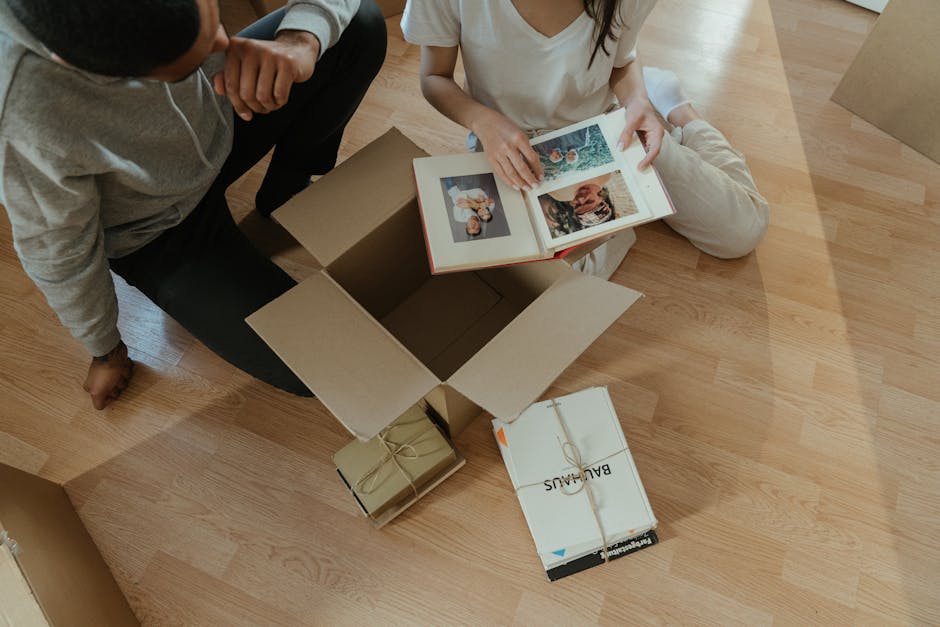
Moving a family home is never just about boxes and tape. It is about school runs, narrow hallways, the sofa that somehow got bigger overnight, and the quiet worry that one mistake could throw the whole week off. In this article, we unpack how we relocated a family home from Finchley Central in a way that kept the move organised, calm, and realistic. If you are planning a similar move, or simply trying to understand what a proper household relocation should look like, this guide walks through the process from first survey to final unpacking.
Finchley Central has its own quirks too: residential streets that can be busy at the wrong time of day, parking that needs careful planning, and homes that often hold decades of family life under one roof. That means the move has to be practical, not theoretical. Let's face it, nobody wants moving day to become a scavenger hunt for the kettle.
This guide covers the reasoning behind the move, the workflow we used, the benefits of planning properly, the mistakes people make, and the best ways to prepare without losing your sanity. There is also a checklist, a real-world example, and answers to the questions people ask most often before they move.
Why How We Relocated a Family Home from Finchley Central Matters
A family home move is a different beast from a quick flat relocation. There are usually more items, more emotions, and more things that cannot simply be replaced at a local shop if they go missing. The phrase How We Relocated a Family Home from Finchley Central really means more than moving furniture. It means protecting routines, keeping everyone informed, and making sure the house is left and entered in a workable state.
In Finchley Central, the practical side matters just as much as the physical side. Streets can be tight, loading space may be limited, and timing often matters more than people expect. A good move here is not about speed for its own sake. It is about getting the sequence right: packing, access, lifting, transit, arrival, and settling in without chaos.
That is why planning matters so much. A family move can go smoothly, but rarely by accident. You need a clear plan, sensible packing, and a team that understands the difference between a bedside table and a bedside table full of memories. Bit dramatic? Maybe. Also true.
How How We Relocated a Family Home from Finchley Central Works
The process starts long before a van arrives. First comes the assessment of the home itself: access points, parking options, stairways, lift availability, the amount of furniture, and any fragile or oversized items. Then comes the packing strategy, which should be based on room-by-room priorities rather than just filling boxes until the tape gives up.
For a typical family home, the move usually follows a sequence like this:
- Initial survey of the property and contents.
- Planning the move date, access, and loading route.
- Supplying packing materials and preparing protective wraps.
- Packing non-essential rooms first, then daily-use items later.
- Labelling boxes by room and priority level.
- Careful loading, with heavier items placed for stability.
- Transporting belongings to the new property.
- Unloading in a logical order so essential rooms can function quickly.
What makes this process work is not just muscle. It is judgment. A dining table may be easy to list, but awkward to manoeuvre. A cot or wardrobe may need partial dismantling. A mirror, a TV, or a family heirloom needs different handling again. Good moving work is often quiet, methodical work. You notice it most when nothing breaks.
In our experience, the best relocations have a rhythm to them. No rushing in circles. No last-minute panic over loose cables. Just steady, practical progress. It sounds simple. It rarely is. But when the process is mapped properly, it becomes much easier to manage.
Key Benefits and Practical Advantages
There are several clear advantages to handling a family move with structure rather than improvisation. The first is obvious: less damage. Proper wrapping, correct lifting, and organised loading reduce the risk of scratches, scuffs, and breakages. That alone can save a great deal of stress.
The second benefit is time. A well-run move avoids the common problem of everyone standing around wondering what to do next. When boxes are labelled properly and the loading plan makes sense, the day simply flows better. You will notice this most when arriving at the new home. Instead of unpacking chaos, you can put essential rooms together first.
There is also a mental benefit that people sometimes underestimate. Moving house is tiring. It can feel like your brain is full of address changes, school forms, passwords, keys, and "did we pack the charger?" questions. A structured relocation reduces that background noise.
Other practical advantages include:
- better protection for furniture and fragile items
- easier coordination with family members
- less disruption to work, school, and daily routines
- more efficient use of time on moving day
- fewer surprises when items are unloaded
And, to be fair, there is something reassuring about seeing the right box in the right room at the right time. Not glamorous. Just deeply satisfying.
Who This Is For and When It Makes Sense
This kind of move is especially relevant for families with children, anyone relocating from a larger home, and households with mixed item types such as furniture, books, toys, artwork, and delicate pieces. It is also a sensible approach if you are moving locally within North London or leaving Finchley Central for another part of London or beyond.
It makes sense when any of the following apply:
- you have a full household rather than a small flat
- you need help coordinating access or parking
- you have fragile, bulky, or valuable items
- you want the move to happen in one organised visit
- you need to keep disruption to a minimum
Some people assume a family move is just a bigger version of a flat move. In reality, the complexity rises quite a bit. More rooms means more packing categories. More people means more opinions. More life, basically. That is why a proper plan pays off so well.
Step-by-Step Guidance
1. Start with a room-by-room review
Before packing a single mug, walk through the property and make a note of what needs special treatment. Look for large furniture, breakables, electronics, outdoor items, and anything that needs dismantling. If a room has not been sorted in years, do not panic. Just take it one section at a time.
2. Decide what should travel first
Pack rarely used items early: spare linens, seasonal clothes, books, and decor. Leave daily essentials until the end. This keeps the household functioning for longer, which helps a lot when children still need breakfast plates and nobody can find the scissors.
3. Label with more detail than you think necessary
Write the destination room and a short contents note on each box. For example: "Kitchen - mugs and tea towels" is far better than just "Kitchen." If there are fragile items, mark them clearly, but also pack them properly. A label is not magic, sadly.
4. Protect access routes
Hallways, stairs, and front entrances should be cleared before moving day. If there is a garden path or a tight turn, check it in advance. In Finchley Central, as in many London areas, access can be the part that slows everything down if nobody has thought about it.
5. Dismantle what needs dismantling
Some beds, shelving units, and tables are easier and safer to move in parts. Keep screws and fittings in clearly marked bags. Tape them to the relevant item if appropriate. That tiny detail saves a surprising amount of time later.
6. Load in a sensible order
Heavy and sturdy items usually go in first, with fragile goods secured away from pressure points. This is where experience matters. A van packed neatly is safer, quieter, and much easier to unload. You do not want the lamp standing on the bicycle, however confident the tape looked earlier.
7. Unpack the essentials first
Start with beds, kitchen basics, toiletries, and children's essentials. Once people can sleep, wash, and make tea, the rest of the move feels far less overwhelming. That first cuppa in a new kitchen? Small moment, big relief.
Expert Tips for Better Results
One of the most useful tips is to create a "first night" box for each family member. It should contain the absolute basics: sleepwear, phone charger, any medication, toiletries, and a change of clothes. Keep it easy to reach. Not buried under the winter coats, obviously.
Another good habit is to photograph the back of electronics before disconnecting them. Cables are forgetful little things, and a photo can save you a lot of frustration later. It is a small step, but it helps more than people expect.
Here are a few more things that make a real difference:
- Keep valuables, documents, and keys with you rather than on the van.
- Use consistent labels, ideally one colour for each room.
- Prepare children early so the move feels less disruptive.
- Set aside a bin bag, some wipes, and basic tools for arrival.
- Tell neighbours or building management if access will be affected.
If you are moving with pets, give them a quiet, secure space away from the busiest activity. Pets pick up on stress fast. Probably faster than the humans, if we are honest.
And here is a slightly old-school tip that still works: keep a pen in your pocket. You will need it. Somehow, there is never one when you need to label a box or sign something.
Common Mistakes to Avoid
The most common mistake is underestimating the job. People often think the move will take less time than it really does, especially if they have not moved a family home before. Packing always expands into the available time. Always.
Another mistake is failing to plan parking or access. In a busy area like Finchley Central, that can create delays before the first item is even lifted. If the van cannot park well, everything else becomes harder. Simple as that.
Other mistakes include:
- mixing essential items with general storage boxes
- using weak boxes that collapse under weight
- forgetting to measure large furniture against doorways
- leaving packing until the night before
- not protecting floors, corners, or bannisters
- assuming children's routines will "just sort themselves out"
There is also a sneaky one people miss: not naming the final destination of each box. If boxes are labelled only by room but not by priority, you can still end up with five identical boxes of "kitchen" when all you needed was the kettle and the mugs. A tiny planning gap, a very real inconvenience.
Tools, Resources and Recommendations
You do not need a mountain of specialist kit, but the right basics make the whole process easier. Strong boxes, wrapping paper, bubble wrap, tape, furniture blankets, mattress covers, and a simple marker pen set will cover most domestic moves. Some items are worth having even if they seem boring. Boring tools are often the hero of the day.
It also helps to have a toolkit ready for dismantling and reassembly. A screwdriver set, hex keys, and a small bag for fixings can prevent a lot of low-level frustration. You know the feeling: you are ready to assemble a bed, and the one Allen key is mysteriously nowhere to be found. Classic.
Useful practical resources in a house move usually include:
- a written inventory of key items
- moving labels or colour-coded stickers
- protective covers for soft furnishings and mattresses
- a separate folder for property paperwork
- phone numbers for family, school, utility providers, and the removals team
For a complex family move, it can also help to keep a simple timeline on paper, not just on your phone. Screens are great until the battery dips and everything is in the wrong app. Paper still has its place.
Law, Compliance, Standards, or Best Practice
Domestic moves in the UK do not usually involve heavy regulation in the way that some commercial projects do, but there are still sensible standards to follow. Safe lifting, clear access, and careful handling are not optional extras. They are part of good practice. If a move involves shared access, parking restrictions, or building rules, it is sensible to check those in advance and comply with them.
If you are moving from a property with leasehold or managed building arrangements, there may be rules around lifts, loading bays, time windows, or protection for communal areas. These are not always obvious until someone turns up with a sofa and a very determined expression. Better to ask early.
Best practice also includes:
- using suitable packing materials for fragile items
- avoiding blocked exits and unsafe lifting positions
- keeping pathways clear for everyone involved
- protecting floors and corners where needed
- being realistic about what can be moved safely without specialist help
If there are unusually heavy, awkward, or valuable items, the safe approach is to slow down and assess properly rather than forcing a move. That is not being cautious for the sake of it. That is how you avoid preventable damage.
Options, Methods, or Comparison Table
Families usually have three broad ways to approach a move: pack and manage everything themselves, use a partial support model, or choose a full-service removal approach. The right choice depends on time, budget, item volume, and how much stress you want to carry on the day.
| Approach | Best for | Pros | Watch-outs |
|---|---|---|---|
| DIY move | Smaller homes or very organised households | Lower upfront cost, full control | Time-consuming, more physical strain, higher risk of delays |
| Hybrid move | Families who want help with lifting or transport | Flexible, practical balance of effort and support | Still requires packing discipline and coordination |
| Full-service move | Busy families, larger homes, or complex access | Less stress, more efficient, better handling of larger items | Usually the most expensive option, needs early booking |
There is no universally "best" option. A couple moving a small household can often manage differently from a family of five with multiple bedrooms, bicycles, toys, and a piano that nobody is willing to admit belongs to who. The sensible method is the one that fits the real move, not the idealised one.
Case Study or Real-World Example
Here is a realistic example based on the kind of move we often see in Finchley Central. A family of four was relocating from a three-bedroom house with a loft, a busy kitchen, and a garage full of items that had quietly multiplied over time. The main challenges were access, school timing, and protecting a mix of furniture and personal items without turning the house upside down too early.
We started by breaking the property into zones. Children's rooms were packed in stages so the family could still use them until the final day. The kitchen was split into essentials and non-essentials, which made the last morning much calmer. Outdoor items were separated from indoor furniture, and the heaviest pieces were positioned for safe loading first.
There was one awkward wardrobe that needed a partial dismantle, and, as these things go, the screws were hiding in a drawer no one had opened in months. Of course they were. Once everything was labelled, wrapped, and loaded in the right order, the move stayed on schedule. The family could access beds, basics, and school essentials quickly at the new property, which made the first evening feel far more settled than they expected.
Expert summary: The moves that feel easy are usually the ones where the hard decisions were made early. Prioritise access, label honestly, protect fragile items properly, and keep essentials separate. It sounds almost too straightforward, but that is exactly why it works.
Practical Checklist
Use this checklist in the final days before the move. It is simple, but it catches a lot of the small things that tend to go missing under pressure.
- Confirm the moving date and access arrangements
- Check parking and loading space near the property
- Pack non-essential items first
- Label every box with room and contents
- Set aside a first-night bag for each person
- Keep documents, keys, and valuables with you
- Protect fragile items with suitable wrapping
- Dismantle furniture only where needed
- Clear hallways, stairs, and entry points
- Prepare beds, toiletries, and kitchen essentials for arrival
- Keep cleaning supplies and bin bags handy
- Walk through both properties before leaving
If you are feeling a bit overwhelmed at this point, that is normal. A family move is a lot. The trick is not to do everything at once. Just do the next sensible thing, then the one after that.
Conclusion
Relocating a family home from Finchley Central is a process that rewards planning, patience, and a bit of practical realism. The move becomes far easier when you treat it as a sequence rather than a single dramatic day. Sort access early, pack with purpose, protect what matters, and keep the first night simple.
Done properly, the move does more than get belongings from one address to another. It helps the household settle with less stress, fewer breakages, and a much better start in the new place. And that really is the point, isn't it? A home move should feel like a fresh beginning, not a week-long scramble.
Get a free quote today and see how much you can save.
When the boxes are stacked and the last lamp is in place, what you remember most is not the rush. It is the relief. The home is still yours, just in a new chapter.
Frequently Asked Questions
How long does it usually take to relocate a family home from Finchley Central?
The time needed depends on the size of the property, how much packing is already done, access conditions, and whether items need dismantling. A well-organised move is much quicker than a last-minute one, but every home is different.
What is the best way to pack a family house for moving day?
Pack room by room, start with items you use least often, and label boxes clearly with both the room and contents. Keep daily essentials separate so you are not hunting for toothbrushes late at night.
Do I need to arrange parking for a move in Finchley Central?
In many cases, yes. Parking and loading access can make a big difference to the timing and smoothness of the move. It is worth checking this early, especially on busier streets or where space is limited.
How do I move fragile family items safely?
Use proper wrapping, sturdy boxes, and enough padding to stop movement inside the box. Mirrors, glassware, pictures, and electronics should be handled with extra care and loaded so they are not under pressure from heavier items.
Should I dismantle furniture before the move?
Only where it makes the move safer or easier. Beds, large wardrobes, and bulky shelving often travel better in parts. Keep all fixings together in labelled bags so reassembly is not a guessing game later.
What should go in a first-night box?
Include toiletries, sleepwear, phone chargers, medication, a change of clothes, basic snacks, and a few household essentials. The goal is to make the first evening comfortable without unpacking everything immediately.
Is a full-service move worth it for a family home?
It often is if the property is large, the schedule is tight, or you want to reduce stress significantly. A full-service approach can be especially helpful when the household has lots of furniture, fragile items, or challenging access.
How can I make moving day less stressful for children?
Prepare children early, explain what is happening in simple terms, and keep a few familiar items within easy reach. A small bag of favourite toys, books, or snacks can make the day feel much more predictable.
What mistakes cause the most delays during a house move?
The biggest delays usually come from poor packing, unclear labelling, blocked access, and last-minute dismantling. Even one missing detail can slow the whole day down, so preparation really does pay off.
Do I need to worry about building rules or moving restrictions?
If you live in a managed building or leasehold property, it is sensible to check for any rules around loading, lifts, communal areas, or time windows. These rules are often straightforward, but they should be handled in advance.
What if I have more items than I expected?
That happens a lot. People often underestimate how much a family home holds. If you realise the volume is larger than planned, separate essentials from non-essentials and reassess the move rather than trying to wing it all at once.
How do I know if I need professional help with the relocation?
If you have a large household, awkward access, tight timing, or items that are difficult to move safely, getting professional help is usually the sensible choice. It is less about status and more about reducing risk and making the day manageable.